Summary:
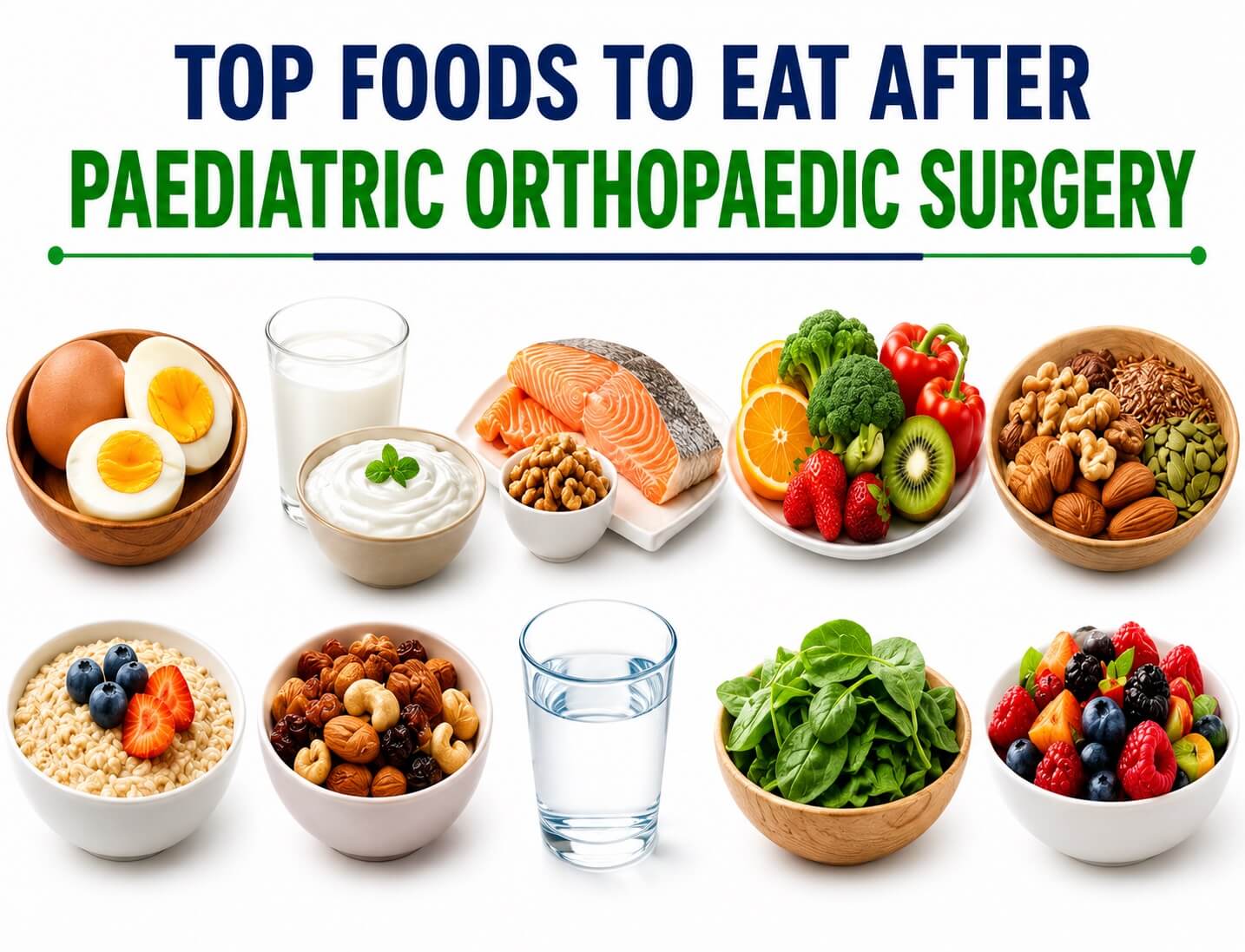
A balanced diet rich in protein, calcium, vitamin D, vitamin C, iron, zinc, and plenty of fluids plays a vital role in helping children recover faster after paediatric orthopaedic surgery. Along with proper nutrition, regular follow-ups and following your doctor’s advice ensure healthy bone healing and a smooth recovery.
Getting back on track after orthopaedic surgery is kind of a big deal for a child’s body. Bones really have to knit back together again. Muscles need rebuilding strength ,and the wounds need to shut up cleanly so infection doesn’t sneak in.
What your child eats in this season of recovery matters in a direct way for how fast,and how well all of that goes. Good nutrition won’t replace medical care , but it does give the body the raw materials it needs to mend itself.
If your child has recently had surgery as part of Paediatric Orthopaedic care in Hoshiarpur , here’s a simple, practical guide for feeding them right during recovery.
Why Nutrition Matters So Much After Surgery
Surgery puts real stress on a child’s system. Tissue is repairing, the immune defense is working extra hard, and energy needs rise, even if your child is moving much less than usual.
If the right nutrients aren’t there , healing can slow down. Wounds may take longer to close, and bones may take longer to fuse. Some kids also get more tired , more irritable, or have a lower appetite — and that can make the entire recovery stretch feel harder for everyone at home.
The good news is that most of what a child needs can come from everyday foods, just chosen with a bit more attention and sense.
Protein: The Building Block for Tissue Repair
Protein is arguably the single most important nutrient after any surgery, like it’s kind of the big deal even after you think everything else is covered. It helps repair damaged tissue, rebuilds muscle, and also keeps the immune system steady.
Good sources are usually:
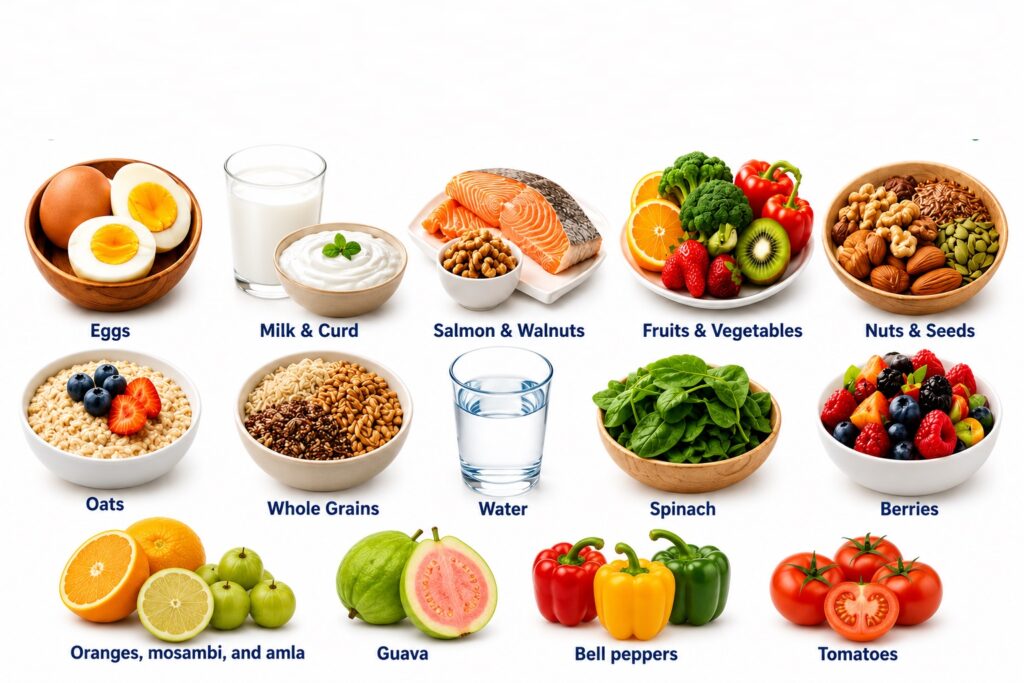
• Eggs
• Milk, paneer, and curd
• Lentils (dal) and chickpeas
• Chicken and fish if the family does eat non-vegetarian food
• Soy products, like tofu
Try to include some protein at every meal, not only once in the day. Small, frequent servings can feel easier for a recovering child to manage than three big meals, even if their appetite is a bit all over.
Calcium and Vitamin D: Essential for Bone Healing
This part is pretty obvious, but honestly it can get underdone. Bones need calcium to rebuild, and vitamin D to actually help absorb that calcium properly.
Helpful foods:
• Milk and dairy products
• Ragi (finger millet)
• Sesame seeds (til)
• Leafy greens such as spinach
For vitamin D, a little safe sun exposure usually helps, and your paediatric orthopaedic specialist might suggest a supplement too especially if the child was already low before the surgery.
Vitamin C: For Collagen and Wound Healing
Vitamin C helps the body make collagen, which matters a lot for healing skin, tissue, and even bone. It also supports the immune system, so the infection risk around the surgical site can go down.
Easy options include:
• Oranges, mosambi, and amla
• Guava
• Bell peppers
• Tomatoes
And yes, a glass of fresh fruit juice, or just a fruit bowl through the day is often an easy way to fit this in without too much of a fight.
Iron and Zinc: Often Overlooked, but Important
Iron helps build healthy blood, it then carries oxygen to repair tissue which is kinda the whole point. Zinc also takes part, in wound healing and immune function, so when you don’t get enough of either thing, recovery can feel noticeably slower.
Some foods that really help include jaggery and dates, also pulses and beans. For zinc in particular, nuts and seeds are useful, pumpkin seeds especially. Whole grains can add extra support too.
Hydration matters just as much as food
It’s easy to zoom in on solid meals and forget fluids, but good hydration supports digestion, helps avoid constipation (often seen with less movement and some pain meds), and basically helps flush out toxins. Water works, and so does coconut water, buttermilk (chaas) and fresh soups. During recovery, it’s a good idea to limit sugary packaged drinks as much as possible.
Foods to limit during recovery
There are a few things you might want to go easy on while your body is healing:
• Too much sugar and fried snacks, they can crank up inflammation
• Very oily or heavy foods, which may mess with digestion when activity is low
• Excess salt, it can contribute to swelling too
None of this has to become “banned”, just keep it in moderation while the body is focused on repair.
A simple sample day
• Morning: Milk with a boiled egg, or paneer paratha
• Mid-morning: A fruit with vitamin C, like orange or guava
• Lunch: Dal, roti, a vegetable, and curd
• Evening: A handful of nuts or seeds
• Dinner: Light khichdi or soup, with a protein side
And do adjust portions and food choices based on your child’s age, their appetite and any specific advice from their surgeon.
When to Talk to Your Doctor
Every child’s recovery, ends up being a bit different, like not everyone fits the same pattern. If your kid seems to have a poor appetite for more than a few days, or suddenly looks unusually tired, or the surgical site looks red, swollen, or just isn’t moving along the way it should be, don’t sit and wait. Reach out to your orthopaedic team.
Nutrition is only one piece of the recovery puzzle. Regular follow-ups as part of ongoing Paediatric Orthopaedic care in Hoshiarpur help make sure the healing is on track, and that any questions or concerns are spotted early, before they become bigger.
Frequently Asked Questions
1. How soon after surgery should my child start eating normally?
In many cases, most children can get back to a normal diet within a day or two, once the nausea from anesthesia settles. Begin with light, easily digestible meals, and then slowly build up, based on what your surgeon advises.
2. Are supplements necessary, or is food enough?
Usually, a balanced and varied diet is enough for nutritional needs. Supplements like calcium, or vitamin D, might be suggested for certain situations — so it’s best to confirm with your child’s doctor before you start anything new.
3. Can my child eat non-vegetarian food after surgery?
Yes, in most situations. Chicken, fish, and eggs are solid protein sources that support healing. Still, if your doctor has advised an exception for a specific medical reason, follow that plan instead.
4. How long should this kind of diet be followed?
Typically, an extra focus on protein, calcium, and vitamin-rich foods is helpful for about 4–6 weeks after surgery, or until your doctor says healing is clearly progressing well.
5. My child has a poor appetite after surgery. What should I do?
This is pretty common. Try small, frequent meals instead of big ones, keep easy favorite healthy foods around, and don’t push large portions. If the poor appetite carries on beyond a few days, bring it up with your doctor.
This article is for general information and does not replace professional medical advice. For personalised guidance on your child’s recovery and diet after surgery, consult your paediatric orthopaedic specialist.