A child’s bones are not just “smaller” bones, like you can shrink an adult set and be done. They have growth plates that are actually still working, they mend in their own way, and they can react to injuries or disorders in a manner that really needs someone who sees paediatric cases every day. That’s why paediatric orthopaedic care in Hoshiarpur is becoming more important for local families—because regular orthopaedic care is not always tuned for a growing child’s body, at that exact stage.
So if you’re in Hoshiarpur and you’re thinking, “is my child’s walking pattern off a little, is the posture looking unusual, or is that joint pain something more than normal,” this kind of guide is meant to cover the basics. We’ll touch the common problems, early red flags, typical treatment options, and the questions parents ask again and again.
Why Children Need Specialised Orthopaedic Care
Compared with adults, kids are still in motion development wise, so the way clinicians diagnose and handle bone and joint issues has to be different. Something that seems worrying at age 2, for example bow legs, might still fit within normal development. But a smaller sign, like a mild limp that appears and doesn’t settle, could hint at an underlying problem where early action matters. Paediatric orthopaedic specialists are trained to spot that difference and they plan care to safeguard long-term growth, movement, and function, not just “patch” what seems wrong right now.
In Hoshiarpur, Dr. Harpreet Singh Bhatia offers this dedicated paediatric style of orthopaedic care—slow, careful assessment first, then a treatment plan shaped around the child’s age and growth stage, rather than a one-size-fits-all approach.
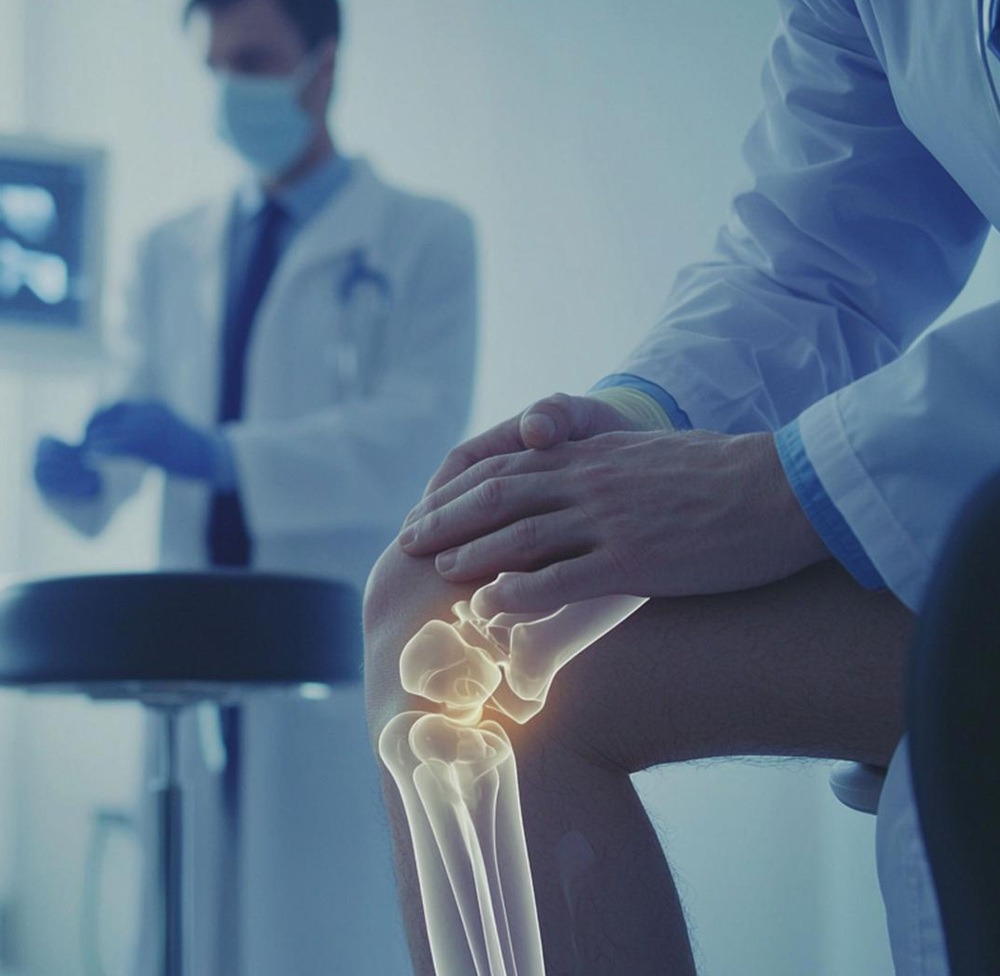
Common Paediatric Orthopaedic Conditions
A few of the most common reasons families come in for an evaluation are:
Clubfoot— a congenital deformity where the foot seems to turn inward, usually treated early with the Ponseti approach, casting is used first before surgery is even discussed, or at least it’s often delayed.
Bow leg posture and knock knees — can be totally normal during toddler stages, but if it stays the same or gets worse, it really should be checked out.
Flatfoot alignment — super common in little kids; most of the time it improves on its own, yet some cases still need watching, or a bit of supportive care.
Developmental Dysplasia of the Hip (DDH)— basically, the hip joint doesn’t shape right, and it’s usually best found early in infancy via screening.
Unequal leg length — when one leg turns out longer than the other, it can throw gait and posture off, especially if nobody addresses it.
Scoliosis— an odd curve in the spine, often spotted during a growth spurt, in pre teens or teenagers.
Bone breaks and sports related injuries— kids heal quickly, however proper alignment is important to protect the growth plate.
Growing pains versus actual joint aches— it matters to tell typical “growing” discomfort from pain that comes from a real orthopaedic condition.
Warning Signs Parents Shouldn’t Ignore
Early review can change the end result a lot. Think about booking an appointment if your child has any of these
– A limp that you can clearly see, or walking that looks uneven
– One leg seems shorter or longer in comparison
– Ongoing talk about joint or bone pain, especially if it comes at night
– Struggles keeping up physically with other kids
– A visible spinal curve, or shoulders that look uneven
– Toes that turn a lot inward or outward while walking
– Swelling around a joint without any obvious injury
None of those, on their own, automatically equals something severe — many things settle with monitoring alone — still, a proper evaluation helps rule out orthopedic problems that need early action.
How Treatment Works
Not every paediatric orthopaedic problem really needs surgery, honestly, and most of them, don’t. Usually the care plan is taken in stages, bit by bit like you go step by step, instead of rushing.
1. Assessment — this is mostly a physical examination, but sometimes X-rays are added, so the team can be sure about the exact condition and where the child is in the growth stage.
2. Conservative management — first try bracing, casting, physiotherapy, or even guided exercises , depending on what fits best for that particular case.
3. Monitoring — for some issues that can correct themselves, like flat feet or mild bow legs, follow-ups are scheduled regularly, to watch progress slowly over time.
4. Surgical correction — surgery is kept for when conservative treatment really isn’t enough, or when the issue is structural, such as specific clubfoot relapses or more notable hip dysplasia.
The main aim throughout is to support natural growth, steer clear of unnecessary intervention, and keep the child comfortable and active.
Why Choose Local, Specialised Care in Hoshiarpur
For most families near Hoshiarpur, travelling all the way to Chandigarh or Delhi just for a paediatric orthopaedic consultation isn’t needed. When specialized, child-oriented orthopaedic care is available nearby, it helps because:
– Diagnosis can happen faster without long travel for repeated visits
– The same kind of care continues consistently through the child’s growth years
– The child stays calmer in a more familiar setting, which helps anxious little patients too
– Overall cost and time burden is reduced for the family
Dr. Bhatia’s clinic at Livasa Hospital, Hoshiarpur, gives this sort of balance between convenience and specialised understanding for infants, children, and teenagers.
Frequently Asked Questions
Q1. What are the most common orthopedic issues in children?
Flat feet, clubfoot, bow legs, limb length differences, and congenital deformities are among the most frequently seen conditions in paediatric orthopaedic practice.
Q2. Is surgery necessary for children with orthopedic problems?
Rarely as a first step. Most conditions are managed successfully with bracing, physiotherapy, or guided growth techniques. Surgery is considered only when conservative treatment isn’t sufficient.
Q3. When should I take my child to a paediatric orthopaedic specialist?
If you notice a limp, unusual walking pattern, posture changes, joint swelling, or if your child regularly complains of bone or joint pain, it’s worth getting a professional evaluation.
Q4. At what age can a child be evaluated for orthopaedic conditions?
Some conditions, like hip dysplasia, are screened for in infancy. Others, like scoliosis or limb length differences, are usually picked up during childhood or the early teen years. There’s no minimum age for a consultation if something seems off.
Q5. Are growing pains something to worry about?
Typically not — growing pains are common in active children and usually occur in the evening or at night without swelling or a limp. Pain that’s localized, persistent, or accompanied by swelling should be checked by a specialist.
Q6. How is clubfoot treated in infants?
The Ponseti method — a series of gentle castings followed by bracing — is the standard first-line treatment and is highly effective when started early, usually within the first few weeks of life.
Book a Consultation
If your kid is showing any of the signs discussed before, getting an early evaluation is the safest step, even if you’re not 100% sure yet. Dr. Harpreet Singh Bhatia offers very focused paediatric orthopaedic care in Hoshiarpur, at Livasa Hospital. The treatment approach is planned around your child’s exact age, the particular condition, and also the current growth stage.
You can call +91 98159 63800 , or drop by the clinic at **337/10, Vasant Vihar Near DAV College, Hoshiarpur** , to fix an appointment.