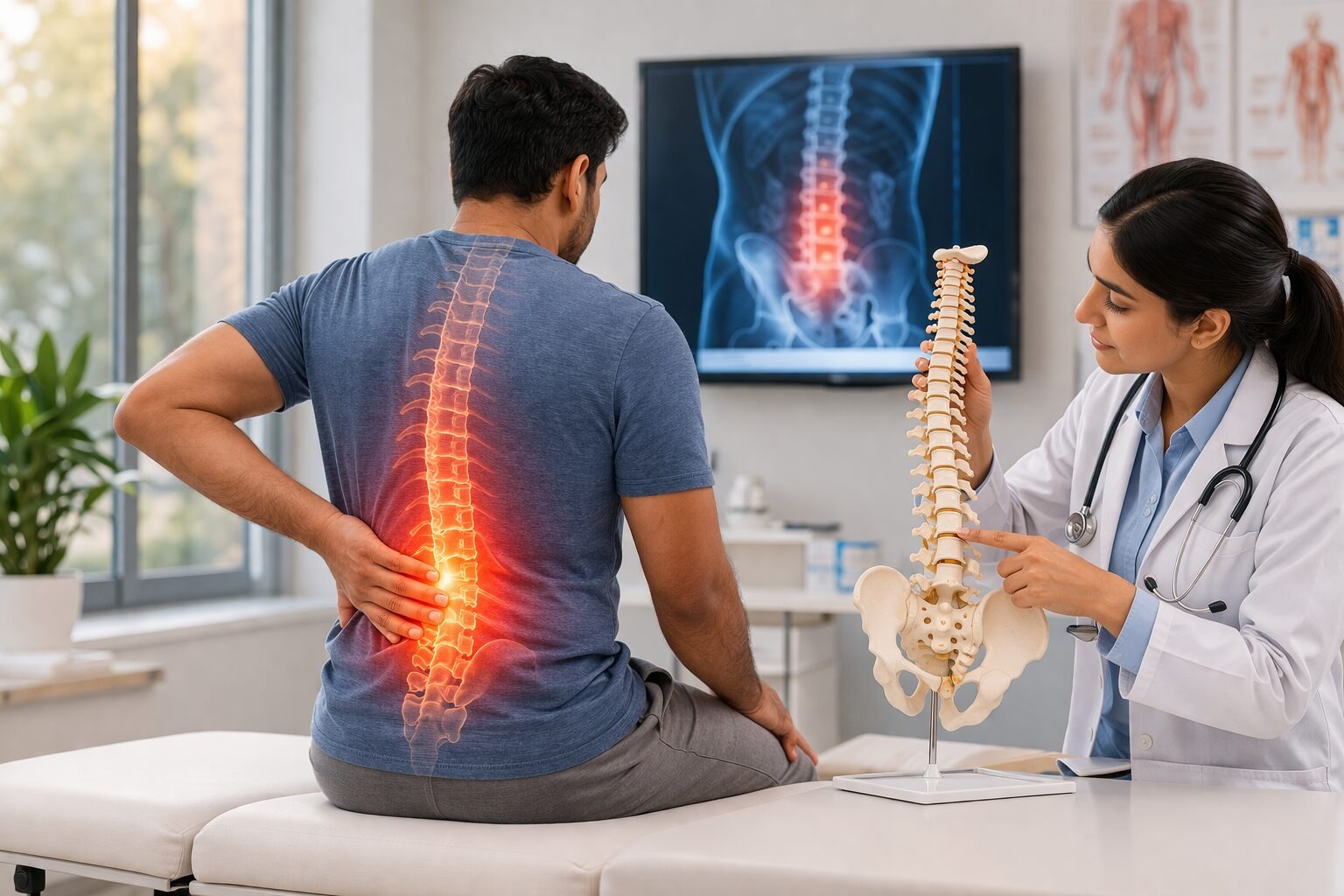
Back and neck problems have become, honestly more common now, because long working hours, not great posture, and that whole sedentary routine most folks end up with. So finding the right care provider is, pretty essential if you want to keep spinal health in decent shape and avoid bigger long-term hassles. For people looking for expert support, Dr Bhatia Joint Clinic in India provides a complete sort of assessment as well as treatment options for different spine related issues.
Why spine health matters
The spine, also called the vertebral column, matters a lot because it holds the body up and it also shelters the nervous system. When something goes wrong here it can cause discomfort, less movement flexibility and trouble doing everyday chores. Keeping the spine in good condition is important not only for motion but also for overall peace of mind.
A lot of people tend to ignore small signs like an occasional backache, or that lingering stiffness. But sometimes those early clues can be a signal of something deeper, something that needs specialist input. Getting a diagnosis sooner and starting the right care sooner can help stop things from worsening and usually improves day to day quality of life.
Common spine problems treated at Dr Bhatia Joint Clinic
Spinal conditions can show up for people of all ages. At Dr Bhatia Joint Clinic, patients get tailored attention for many conditions including:
Chronic back pain
Chronic back pain ,like it just wont go away , can mess with your day to day routine and even slow down your work rhythm. At the clinic we kind of start by figuring out what is actually underneath it all , the root reason , and then aim for real back pain relief using a mix of care methods, plus some practical lifestyle suggestions, so it feels more manageable over time.
Herniated disc problems
Herniated disc problems can happen when a disc shifts or slips, it can press on nearby nerves, and that may cause pain, tingling, numb feelings, or even weakness. The right herniated disc care needs a solid diagnosis first, then a customized treatment plan that could include medicine, physical therapy, or more advanced procedures, if that is what the situation needs.
Degenerative disc disease
Degenerative disc disease usually shows up as people age ,the cushioning discs between the vertebrae tend to wear down over time. When that happens , folks often feel pain, stiffness, and less flexibility overall. Getting help early can really make a difference, it can help handle symptoms and keep you in an active mindset.
Scoliosis
Scoliosis is basically an abnormal spine curve, and yes it can bring discomfort and posture problems along with it. The clinic offers scoliosis treatment that is meant to support better alignment ,and also help prevent the curve from progressing further.
Neck and nerve disorders
Neck and nerve disorders can involve nerves or the cervical spine, and the result might be tingling, weakness, and limited movement. A proper evaluation is key , it helps decide which treatment approach is the most suitable for your specific case.
Advanced diagnostic approach
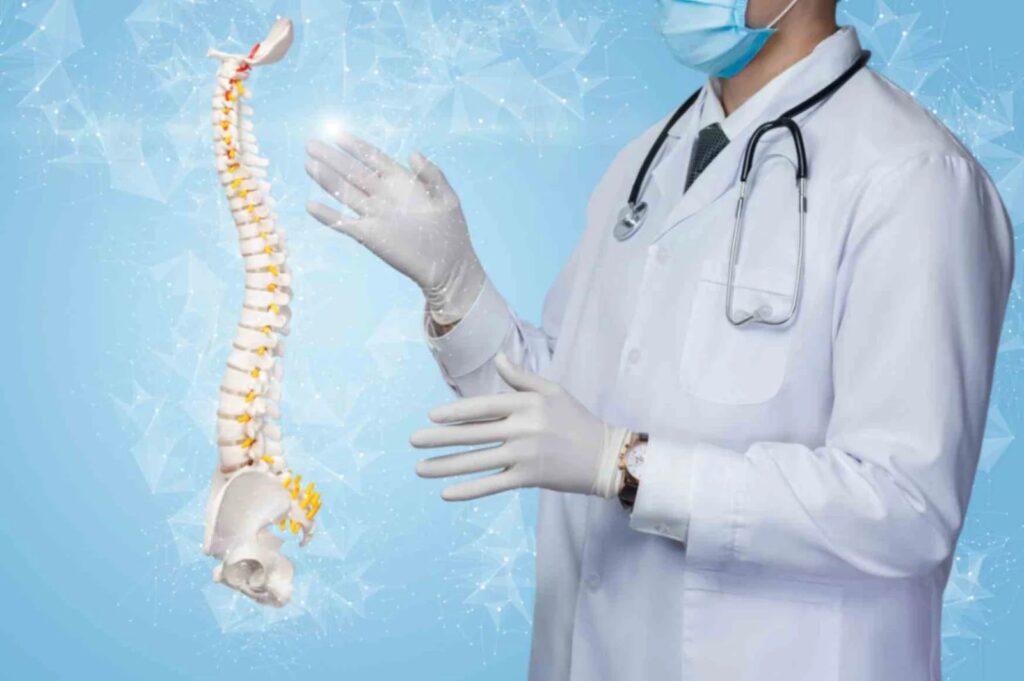
Advanced diagnostic approach, it matters because effective treatment starts with a thorough check. At Dr Bhatia Joint Clinic, our assessment process is built to get a clear understanding of each patient’s own condition , not just a generic pattern .
Spinal Imaging
Spinal Imaging Modern spinal imaging techniques help to spot structural irregularities , disc related problems, and other concerns that are affecting the spine. When the images are accurate, specialists can put together more exact treatment plans, with a bit more confidence.
Neurological Assessment
A full neurological assessment is frequently advised, especially when the symptoms include nerve pain , numbness, or weakness. This kind of check helps figure out if the nerves have been involved at all, and it also steers how the care is handled going forward.
Treatment Options for Spine Conditions
Since everyone experiences spine issues differently , treatment plans shouldn’t be one size fits all. The clinic provides different pathways depending on how severe the condition is, and what’s actually driving it.
Conservative Treatments
A lot of spinal disorders can be managed without surgery, for example through:
• Medication management
• Physiotherapy and rehabilitation
• Exercise guidance
• Lifestyle modifications
• Posture correction methods
These approaches usually reduce discomfort, boost mobility, and help the spine return to more normal movement patterns.
Surgical Solutions
Sometimes, surgery is suggested when non-surgical care hasn’t brought enough relief, or when there is marked nerve compression. Current surgical techniques tend to aim for shorter recovery timelines , while also trying to improve patient outcomes and overall results.
Importance of Posture and Lifestyle
Bad posture is often one of the main reasons people run into spine related problems. Long stretches sitting, improper lifting practices , and too little movement can add unnecessary strain to the spine, even if the person doesn’t notice it right away.
Small habits can still make a big difference:
• Keep a proper sitting posture.
• Take short breaks often during desk work.
• Do regular physical activity.
• Sleep on a supportive mattress.
• Practice posture correction routines.
By making these changes, individuals can reduce the risk of developing chronic spinal conditions and support long-term spinal health.
When Should Someone See a Spine Specialist?
Seeking professional advice is important if any of the following symptoms occur:
Persistent back or neck pain
Pain radiating to the arms or legs
Numbness or tingling sensations
Difficulty walking or maintaining balance
Weakness in the limbs
Reduced flexibility and movement
Early consultation can lead to timely treatment and better recovery outcomes.
Why Choose Dr Bhatia Joint Clinic?
Dr Bhatia Joint Clinic is really set on giving patient centered care, with accurate diagnosis, advanced treatment methods and kind personalized management plan(s) that fits the person. The clinic also pushes education and preventive care so patients can get a clearer picture of what’s going on and then make more informed decisions about treatment, not just rush into something.
By using modern diagnostic approaches but still keeping a compassionate, steady mindset the clinic tries to help patients regain mobility, lessen discomfort, and generally improve day to day quality of life. It’s kind of a whole package, not only the procedure.
Conclusion
Spine problems can hit daily routines, and also overall well being in a big way. Whether someone is managing chronic pain, dealing with degenerative disc disease, or needs specialized scoliosis treatment, getting timely support from an experienced professional is essential. With thorough checkups, advanced spinal imaging and treatment plans tailored to the individual Dr Bhatia Joint Clinic keeps helping patients move toward stronger spine health and better long term wellness.
Frequently Asked Questions (FAQs)
1. What are the common signs of a spine problem?
Common symptoms include back pain, neck stiffness, numbness, tingling, weakness, and difficulty performing daily activities.
2. Can back pain be treated without surgery?
Yes. Many patients experience effective back pain relief through medications, physiotherapy, exercise programs, and lifestyle modifications.
3. What is a herniated disc?
A herniated disc occurs when the soft material inside a spinal disc pushes outward and irritates nearby nerves, causing pain or numbness.
4. When is spinal surgery necessary?
Spinal surgery may be recommended if conservative treatments fail or if there is severe nerve compression and significant loss of function.
5. How does spinal imaging help in diagnosis?
Spinal imaging provides detailed views of the spine, helping specialists identify disc issues, fractures, or structural abnormalities.
6. Can posture affect spinal health?
Yes. Poor posture places extra stress on the spine and can contribute to long-term pain and mobility problems.
7. What is involved in a neurological assessment?
A neurological assessment evaluates nerve function, muscle strength, sensation, and reflexes to identify potential nerve-related issues.