A broken bone or a dislocated joint can turn an ordinary day upside down within seconds, like it doesn’t even give you time to react. Whether it happens during a road accident, a fall at home, a sports mishap, or that annoying everyday slip, the pain and shock that follow often leave people confused about what to do next. And that’s exactly where fast, skilled fracture and dislocation care in Hoshiarpur really makes a difference — not only for easing discomfort, but also for helping stop later complications, that might affect movement for years.
If you or a family member is dealing with a bone or joint injury, knowing the fundamentals of fracture and dislocation care can help you make quicker, smarter choices in a stressful moment.
Why “Late” Treatment Can Become a Problem
Bones and joints are actually quite good at healing themselves, but only when they’re aligned, properly positioned, and supported the right way from the very beginning. When care is delayed, or when the injury is handled incorrectly, a few things can happen, such as:
• Malunion, meaning the bone joins back in a crooked or misaligned way
• Joint stiffness due to prolonged “not moving” or an improper reduction
• Chronic pain that stays even after the injury seems to have healed
• Nerve or blood vessel problems if swelling or displacement isn’t addressed quickly
• Delayed union or non union, where the bone simply doesn’t knit together properly
That’s why orthopedic specialists say the first few hours after a fracture or dislocation are crucial. Early checking — usually beginning with a clinical examination and an X-ray — helps the doctor understand the exact type of injury and pick the best treatment plan before complications start to set in.
Common Causes of Fractures and Dislocations
Bone and joint injuries in Hoshiarpur, like everywhere, often happen because of stuff that seems small at first, but turns serious. They can commonly come from road traffic accidents , falls, specially in older adults or sometimes kids, sports related impact , workplace or industrial incidents, and also osteoporosis related fragility fractures in elderly patients.
The symptoms usually show up as sudden very sharp pain, visible swelling and bruising, plus the person may not be able to move the area, or worse, cant bear weight at all. In more serious cases, there can be a clear deformity, that you notice right away. If any of these signs show up, it’s best to get medical care immediately, not a “wait and see” plan.
How Fractures and Dislocations Are Diagnosed
A proper diagnosis is more than just looking at the injury briefly. The orthopedic assessment typically includes things like:
1. Physical examination, to check swelling, deformity and the available range of motion
2. X-ray imaging, so the doctor can confirm the kind of fracture or dislocation , and its exact site and how severe it is
3. Extra imaging such as CT or MRI, especially when the problem is complex involving joints, ligaments, or soft tissue
With this wider check, the treating doctor can decide whether the injury can be managed with non-surgical care, or if surgical intervention is actually needed.
Treatment Options Available
Treatment depends on how bad the injury is, and what kind it is. Options may include:
Non-surgical care
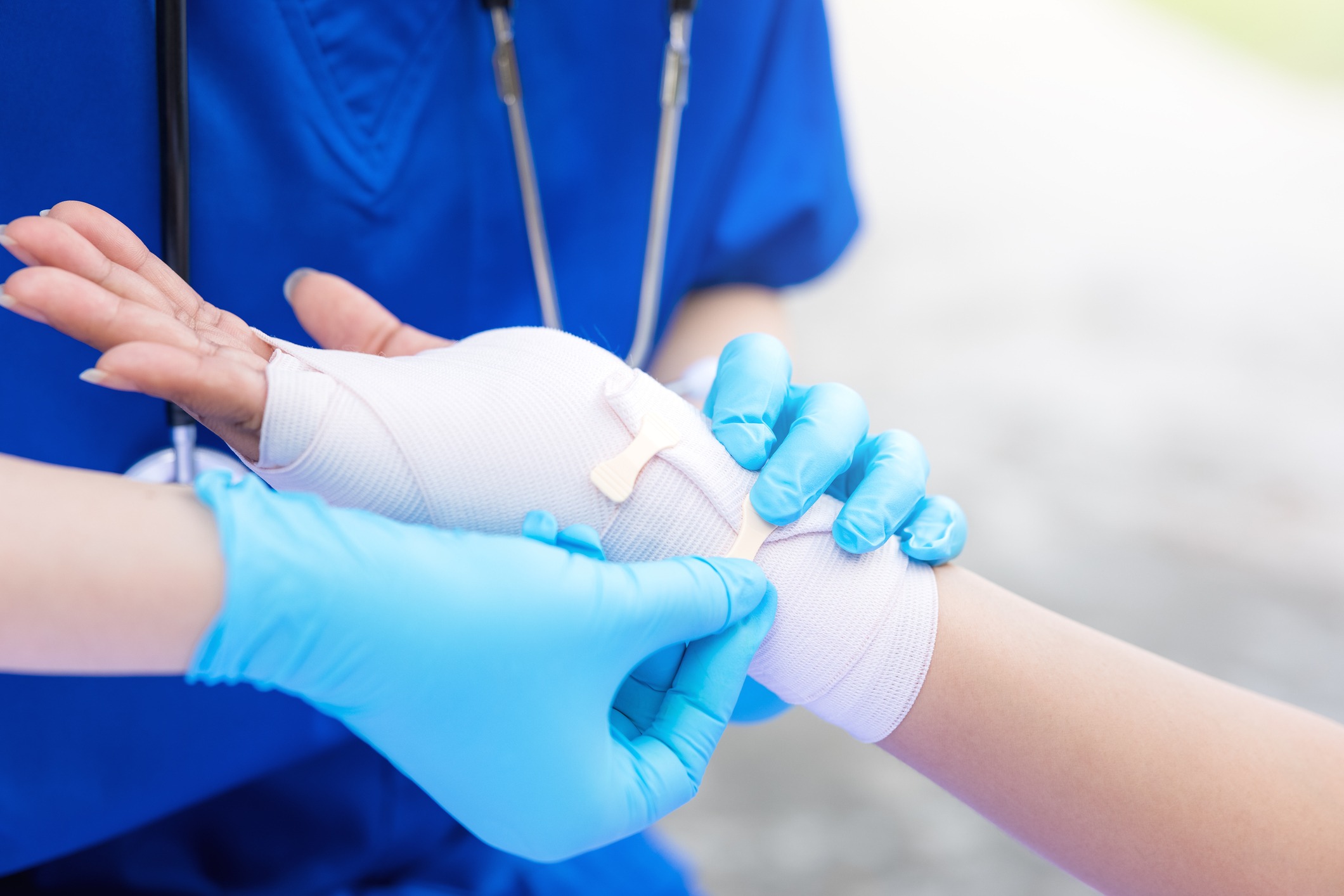
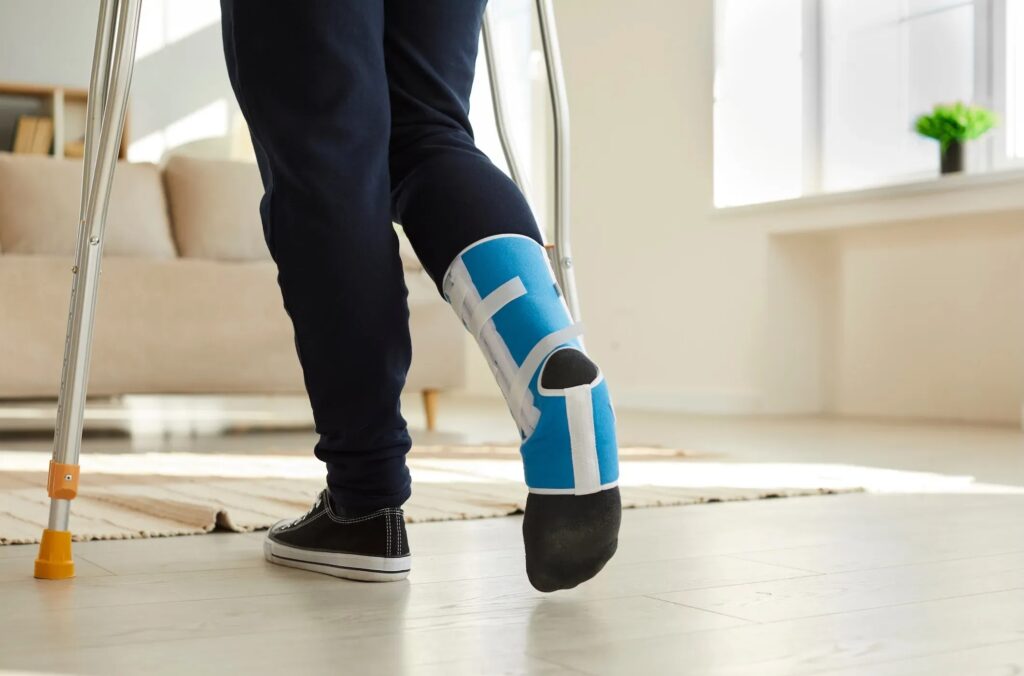
• Casting or splinting for stable , simpler fractures
• Closed reduction, meaning the bone or joint is gently repositioned by hand, without making incisions
• Bracing to help healing while still letting the person do controlled movement
Surgical care
Minimally invasive fixation using plates, screws, or rods to stabilize complex fractures
Open reduction for fractures that cannot be aligned externally
Joint reconstruction for severe dislocations involving ligament or cartilage damage
Minimally invasive techniques have become more and more the go-to option because they reduce soft tissue bruising, lower infection risk, help with post surgical pain, and usually shorten recovery time compared to classic open surgery. In each and every case the aim is the same, precise bone and joint positioning along with a rehab plan that lets patients get back to their everyday routine in a safe way.
Recovery and Rehabilitation
Healing doesn’t really end just because a cast comes off, or the skin wound looks closed. A planned recovery approach — often involving physiotherapy, step by step weight-bearing activities, and routine follow-up X-rays — is really important if you want to rebuild complete strength and full flexibility. If someone skips that part, it’s one of the most common reasons for lingering stiffness, or reduced function even well after the bone itself seems healed.
Choosing the Right Orthopedic Care in Hoshiarpur
If you’re searching for fracture and dislocation treatment in Hoshiarpur, try to pick a clinic that has:
• An accurate, image driven diagnosis instead of guesswork
• Multiple treatment paths, from conservative management to modern surgical fixation
• Hands on experience with minimally invasive techniques
• A rehab, and follow-up roadmap that’s clearly explained
• Fast, accessible support for emergencies
Getting the right care early on isn’t just about calming pain quickly, it’s also about guarding your long term mobility and overall quality of life.
Frequently Asked Questions (FAQs)
Q1. How can I tell if a bone is fractured or dislocated?
Typical signs include sudden pain, swelling, bruising, visible deformity, and trouble moving the affected body part. Still, the only way to confirm a fracture or dislocation with certainty is a proper clinical examination along with an X-ray.
Q2. How long does it usually take a fracture to heal, typically?
Most of the time, fractures mend in about 6 to 12 weeks, but it kind of depends on which bone is involved, how severe the break is, the patient’s age, and general health. Bigger bones, and fractures that are more complicated, often take longer too
Q3. Do all fractures need surgery, like every single one?
No. Plenty of fractures heal fine with a cast, splinting or bracing on its own. Surgery is mostly saved for unstable or clearly displaced fractures, or for complex cases, when the non-surgical options can’t keep the right alignment in place
Q4. What should I do right away if I suspect a fracture or a dislocation?
Try not to move the injured area at all. If you can, immobilize it with a splint or sling, then place ice on it to help reduce swelling, and get medical help as soon as possible. Don’t try to put the bone or joint back yourself, even if it looks a little “off”, and please don’t do that
Q5. Do I really need physiotherapy after fracture treatment?
Yes, in most situations. Physiotherapy helps rebuild strength, restore flexibility, and bring back the full range of motion. It also helps a lot with preventing stubborn stiffness or lingering weakness once the cast is removed or after surgery
Q6. Can dislocations come back again after treatment?
They can, recurrent dislocation is possible especially with joints like the shoulder, particularly when the ligaments were badly damaged, or if rehabilitation wasn’t finished properly. If you follow the recovery plan that was given to you, that lowers the risk quite a bit
If you’re experiencing a bone or joint injury, timely evaluation by an experienced orthopedic specialist can make a significant difference in your recovery. Prompt diagnosis and the right treatment plan help ensure proper healing and a faster return to your daily activities.