
Summary:-
An anti-inflammatory diet built on colourful vegetables, omega-3 fats, whole grains, spices and plenty of water can ease swelling and joint discomfort, but persistent inflammation needs a proper medical evaluation.
When you have an injury, such as a twisted ankle or minor cut, your body uses inflammation as a defense mechanism, which is completely normal.
However, long-term inflammation, which can cause symptoms such as stiffness in your joints, puffiness in your knees, soreness in the mornings, and generalized fatigue, is where it becomes a real concern.
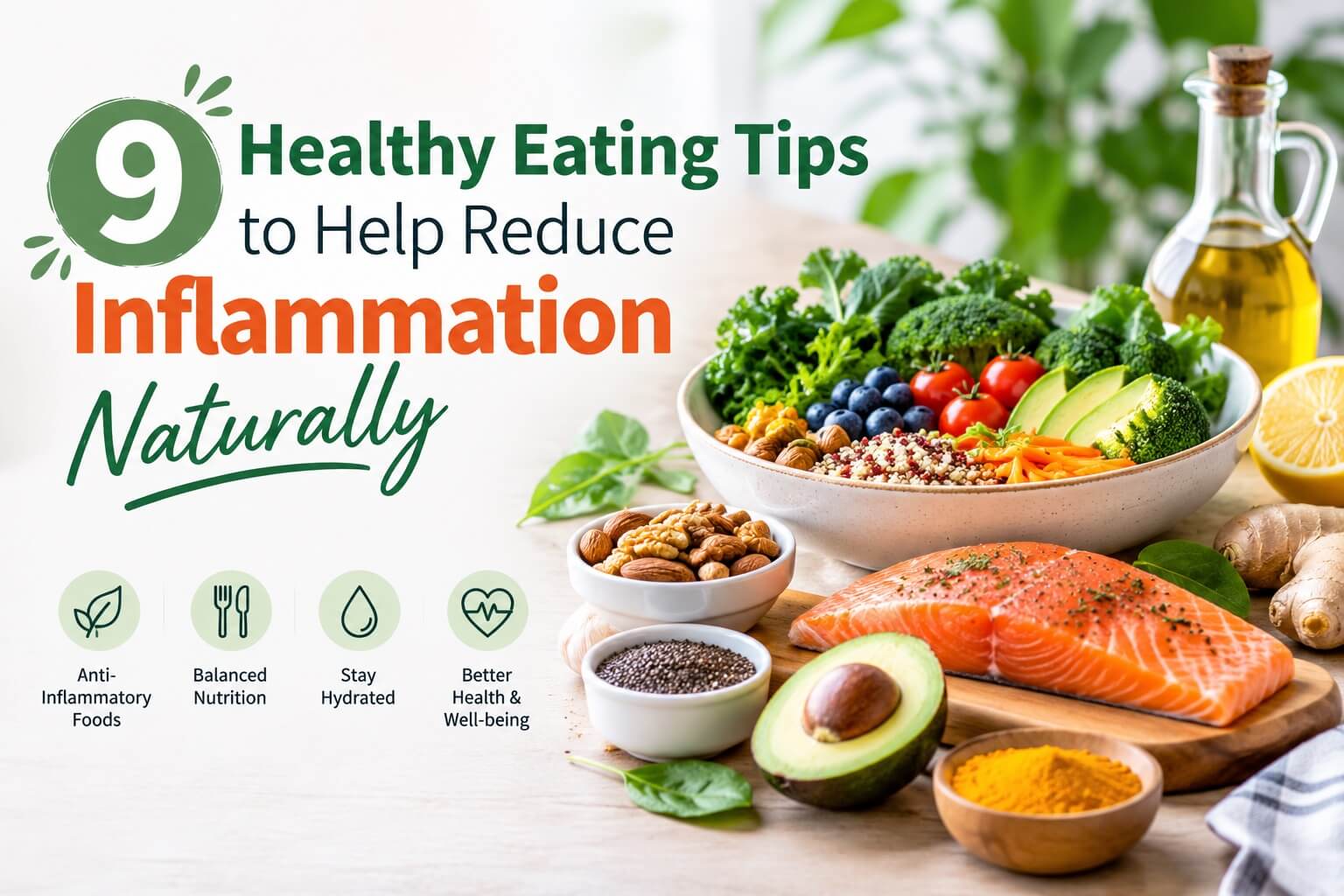
Although modern medicine is beneficial, what you choose to eat also impacts the health of your body. Below are nine anti-inflammatory eating habits you can start adopting.
1. Fill Half Your Plate with Colourful Vegetables
Spinach, methi, carrots, beetroot, broccoli and capsicum all contain compounds that help fight cell stress, and therefore the inflammatory process in the body.
Try and include at least three different coloured food items in your main meal.
- Include Omega-3s in your diet
Some of the most popular sources of omega-3s are fish, walnuts and flaxseeds (alsi), but the good news for vegetarians is that they can add flaxseeds to salads, curds and rotis.
- Say No to White Refined Flours
Products like maida, white bread and biscuits result in instant spikes in blood sugar, which in turn leads to increased inflammation.
Whole grains like oats, brown rice, bajra and ragi and other healthy alternatives like daliya and whole wheat, should replace them.
- Include Ginger and Turmeric in your Diet
Turmeric contains curcumin and ginger contains gingerol. Both of these ingredients have known anti-inflammatory properties.
Both can be added to your dal and sabzi. Ginger can even be added to your tea and warm milk. A pinch of black pepper will aid in the body’s absorption of curcumin.
- Focus on Eating More Fruits, Especially Berries and Citrus Fruits
Amla, guava, pomegranate, papaya, orange and most other berries contain vitamin C and many different compounds which benefit joint health and the immune system.
It is always better to eat the whole fruit because you get the fibre.
- Stop Eating So Much Sugar and Processed Foods
Most sweets, soft drinks, namkeen and other salty snack items, including most processed foods, contain excess sugar and often refined oils and many types of preservatives. These food items can help prolong or contribute to active inflammation.
They are foods which are probably best not eaten everyday but as a treat once in a while.
- Switch To Better Types of Fats
When cooking, use Mustard Oil, Olive Oil and smaller quantities of Ghee rather than repeatedly heated oils. Avoid cooking which involves deep frying. Try not to use any types of Vanaspati. Avoid eating any fats that are trans fats.
Nuts which have been dried, such as walnuts or almonds are an excellent healthy snack.
- Maintain Good Levels Of Hydration
Because of water, body processes run efficiently, waste is expelled from the body and joints are kept properly lubricated. In normal circumstances, most people should drink approximately two or three liters of water per day, but consult your physician to know how much water you should be consuming.
Coconut water, buttermilk and tea which contains herbs also count toward your hydration goals.
- Eat Foods That Are Healthy For Your Gut
Good immune function depends on a good, healthy gut. A good way to eat to encourage good gut health is to include more curd, kanji (made at home), lentils, chickpeas, and various beans. Also try to include lots of healthy foods which are high in fibre.
Eat in a slow manner, and make an effort to eat your meals on a regular schedule.
When Diet Alone Is Not Enough
Food can support your body, but it cannot replace medical treatment. See a doctor if you notice:
- Swelling in a joint that lasts more than a few days
- Pain or stiffness that is worse in the morning
- Redness, warmth or tenderness around a joint
- Difficulty walking, climbing stairs or using your hands
- Swelling after an injury that does not improve
Early diagnosis helps prevent long-term damage. If you are dealing with persistent swelling, you can read more about swelling and inflammation treatment in Hoshiarpur and the care options available.
Frequently Asked Questions
1. Can food really reduce inflammation?
Yes. A diet rich in vegetables, fruits, healthy fats and whole grains can lower inflammation over time. It works best alongside medical care and an active lifestyle.
2. Which foods increase inflammation the most?
Sugary drinks, refined flour, deep-fried snacks, processed meats and trans fats are common triggers. Limiting them can make a noticeable difference.
3. How long does it take to see results from an anti-inflammatory diet?
Many people notice better energy and less stiffness within a few weeks. Results vary depending on the cause of the inflammation and your overall health.
4. Is turmeric milk good for joint pain?
It can be a helpful addition for many people. It should not replace treatment for ongoing pain, so consult your doctor if the pain continues.
5. When should I see an orthopaedic doctor for swelling?
See a doctor if swelling lasts more than a few days, follows an injury, or comes with severe pain, redness or limited movement.
Book Your Consultation Today
Is swelling or joint pain getting in the way of your daily life? Do not wait for it to get worse.
Visit Dr. Bhatia Joint Clinic in Hoshiarpur for an accurate diagnosis and a personalised treatment plan. Book your appointment today and take the first step towards pain-free movement.