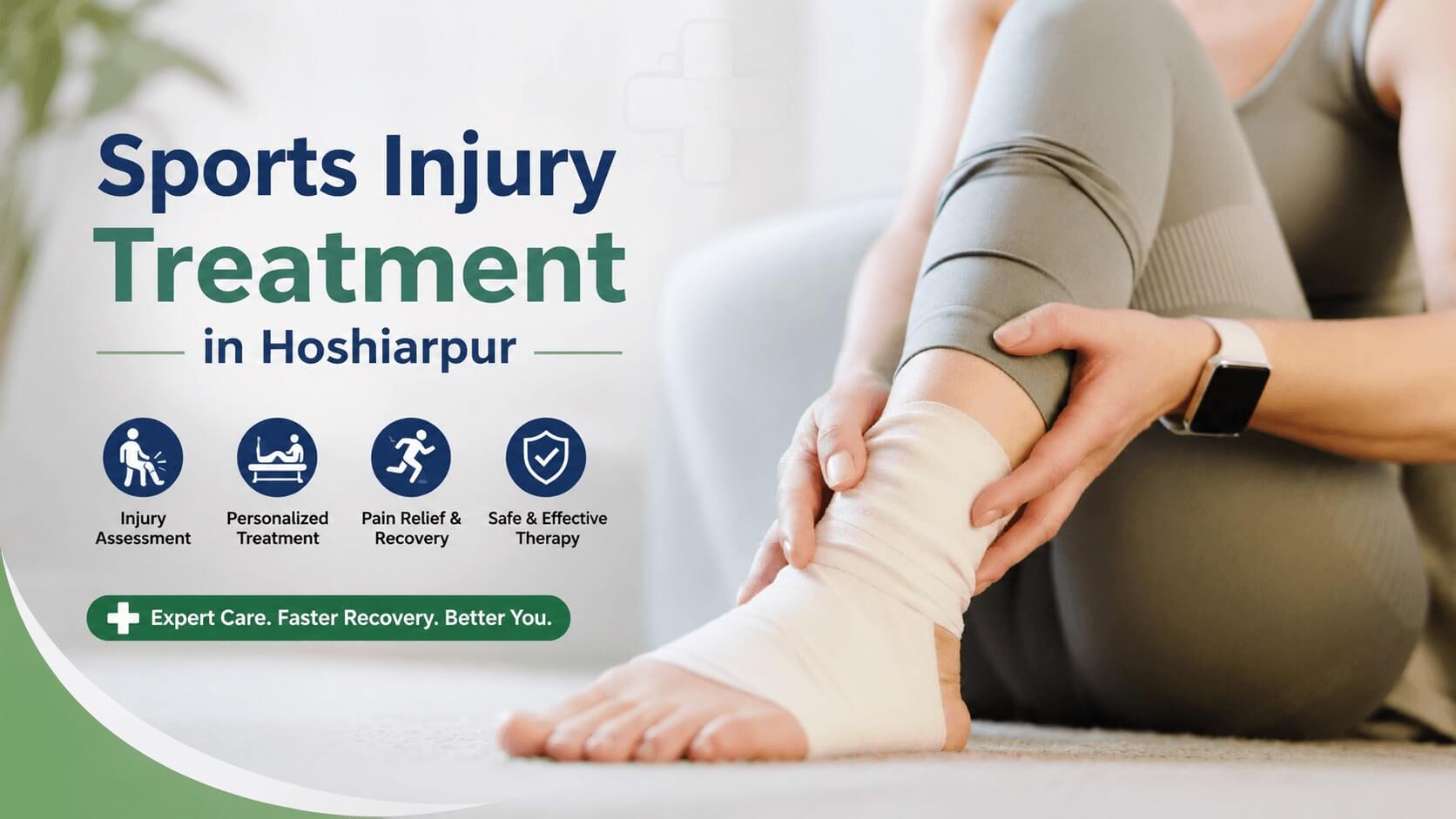
Sports injuries can affect anyone. It might be a student on the field or a person who jogs after work. Even pro athletes get hurt. A slip, a bad landing, or pushing too hard can cause issues. People may see sprains, fractures, ligament injuries, or muscle strains.
At Dr. Bhatia Joint Clinic in Hoshiarpur, Dr. Harpreet Singh Bhatia focuses on sports injury care. The goal is to find the problem early and treat it the right way. Patients are guided back to training in a safer manner, with attention to recovery.
In this post, you will find a guide to frequent sports injuries. There are also tips for avoiding them. The post includes treatment choices. It also explains what recovery time often looks like.
Common sports injuries include these:
– Sprains and strains. Ligaments or muscles get stretched or pulled too far. Ankles and knees are common spots.
– ACL and meniscus tears. These often happen in football, basketball, and running when you change direction fast.
– Fractures and dislocations. These usually come from falls, impacts, or a direct hit.
– Tennis elbow and shoulder problems. Overuse from repeated arm use can lead to pain.
– Stress fractures. Small cracks form in bone due to repeated pounding. Runners often face this. – Muscle pulls and tendonitis. Sudden effort, or skipping a proper warm-up, can trigger swelling or small tears.
Why Prompt Treatment Matters
Playing on after a sports injury, or pushing through pain, can slow healing. Some ligament tears left alone can make the joint feel loose. If a fracture is not set right, it might heal in the wrong way. That can limit movement later. Getting checked early at a clinic that sees these cases often can stop small issues from turning into long-term trouble.
Diagnosis at Dr. Bhatia Joint Clinic
- Detailed physical examination of the injured area
- X-rays to check for fractures or dislocations
- MRI or ultrasound for soft tissue, ligament, or tendon injuries
- Assessment of joint stability and range of motion
- Personalised treatment plan based on the sport, severity, and patient’s age
Treatment Options for Sports Injuries
Non-surgical treatment Many sprains, strains, and mild injuries respond well to rest, ice, compression, elevation (RICE), bracing, and physiotherapy.
Medication and pain management Anti-inflammatory medication and targeted pain relief help reduce swelling and discomfort in the early stages.
Physiotherapy and rehabilitation Guided exercises restore strength, flexibility, and joint stability, and are often the most important part of recovery.
Minimally invasive procedures For ligament or cartilage damage that doesn’t heal with conservative care, arthroscopic surgery may be recommended to repair the joint with minimal downtime.
Fracture management Casting, splinting, or surgical fixation depending on the type and location of the fracture.
Recovery Timeline: What to Expect
- Minor sprains/strains: 1–3 weeks with rest and physiotherapy
- Moderate ligament injuries: 4–8 weeks with structured rehabilitation
- Fractures (non-surgical): 6–8 weeks of immobilisation plus recovery
- ACL or major ligament surgery: 6–9 months for full return to sport
- Tendon and overuse injuries: 2–6 weeks depending on severity and adherence to rest
Recovery time varies by individual factors like age, fitness level, and how early treatment begins — which is why a proper diagnosis at the start makes a real difference.
Sports Injury Prevention Tips
- Always warm up and stretch before physical activity
- Use proper footwear and protective gear suited to the sport
- Build strength and flexibility gradually rather than overtraining
- Stay hydrated and maintain good nutrition for muscle and bone health
- Don’t ignore early pain or discomfort — get it checked before it worsens
- Allow adequate rest between intense training sessions
- Learn correct technique and posture for your specific sport
When to See a Sports Injury Specialist
Consult Dr. Bhatia Joint Clinic if you experience:
- Severe pain, swelling, or bruising after an injury
- Inability to bear weight or move the joint normally
- A popping or snapping sound at the time of injury
- Joint instability or a feeling of the knee/ankle “giving way”
- Pain that persists beyond a few days of rest
Frequently Asked Questions (FAQs)
1. How soon should I see a doctor after a sports injury? Ideally within 24–48 hours, especially if there is significant swelling, severe pain, or difficulty moving the joint. Early diagnosis prevents complications.
2. Can sports injuries heal without surgery? Yes, many sprains, strains, and even some ligament injuries heal well with rest, physiotherapy, and bracing. Surgery is only recommended for severe tears or unstable joints.
3. When can I return to playing sports after an injury? This depends on the injury type and severity. Minor injuries may allow return within a few weeks, while major ligament surgeries typically require 6–9 months of guided rehabilitation before full sports participation.
4. Is physiotherapy necessary after a sports injury? Yes. Physiotherapy restores strength, flexibility, and joint stability, and significantly reduces the risk of re-injury, even after non-surgical treatment.
5. How can young athletes prevent recurring injuries? Proper warm-up, correct technique training, gradual increase in training intensity, and not ignoring early pain are key to preventing repeat injuries in growing athletes.
6. Does Dr. Bhatia Joint Clinic treat both children and adult sports injuries? Yes, the clinic manages sports injuries across age groups, with special expertise in paediatric and adolescent orthopaedic care.
Conclusion
Sports injuries happen a lot. The good news is that many people get back to playing once they get the right help early. Dr. Bhatia Joint Clinic in Hoshiarpur focuses on careful checks and clear next steps. They build a plan for each person and guide rehab from start to finish. Athletes of different ages can be seen there.
If you or your child has been hurt during sports, it is better not to delay. Getting an evaluation soon can help you recover in a safer way.