

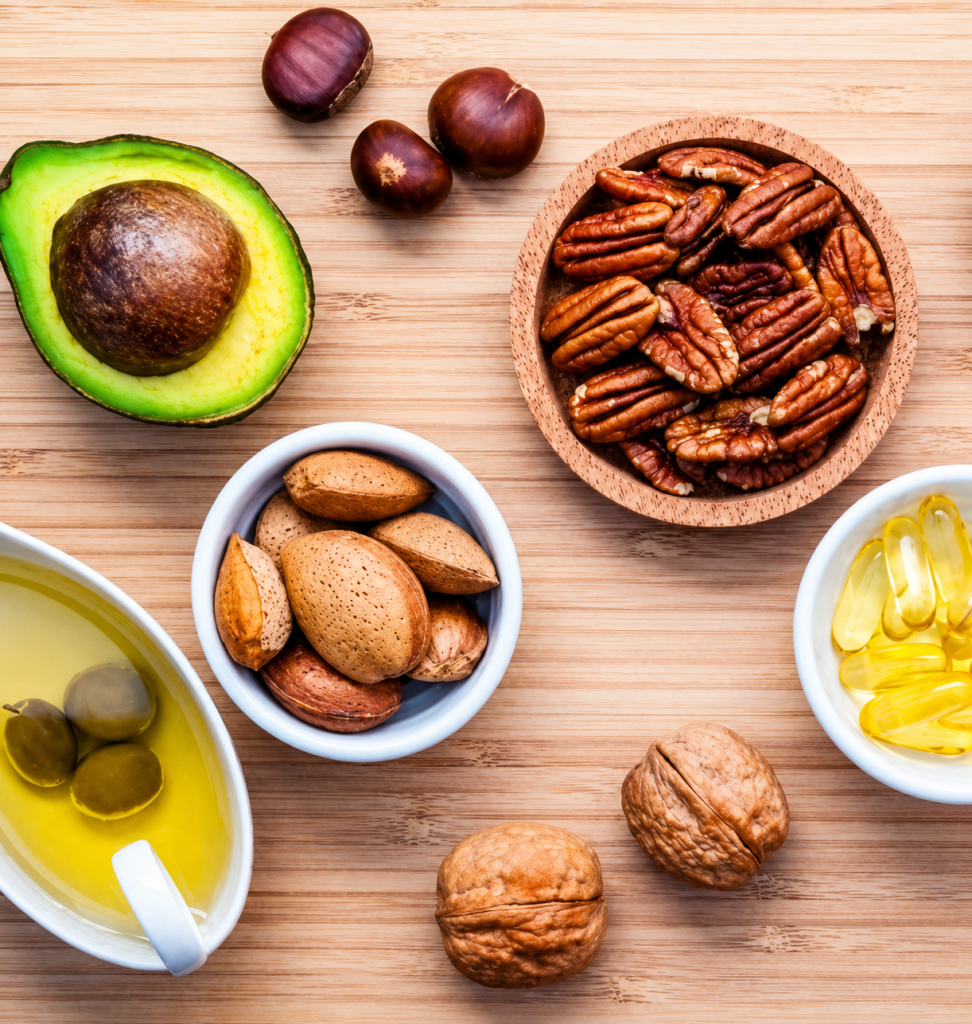
Joint health kinda plays a key role in keeping someone active and comfortable through the day. Whether an individual is facing age related stiffness, trying to recover after an injury, or dealing with ongoing conditions, the right nutrition can end up making a big difference. A lot of people who look for arthritis treatment and relief from joint inflammation sometimes, miss the way essential nutrients can support long term joint function.
At Dr Bhatia Joint Clinic, the experts really stress this holistic angle to joint wellness that mixes nutrition along with lifestyle adjustments and advanced medical care. When you understand which nutrients help lower inflammation, it can back healthier joints and also better mobility, over time.
Why Anti-Inflammatory Nutrients Matter for Joint Health
Inflammation is the bodys natural reaction to injury and infection, but chronic inflammation is a different story. It can contribute to cartilage wear, discomfort, and less movement. It’s also linked with several musculoskeletal disorders so adopting better dietary habits becomes pretty important for joint function.
Anti-inflammatory nutrients help the body manage inflammation, protect the joint tissues, and support overall mobility.
1. Omega-3 Fatty Acids
Omega-3 fatty acids are, sort of among the most studied nutrients for help with joints. You can find them in fatty fish, walnuts, and flaxseeds, and these “good” fats might help calm inflammation and maybe also stiffness, a bit.
People who receive care through rheumatology services often do well with meals that are packed with omega-3s, because these nutrients tend to support joint ease and flexibility, not just pain.
Sources:
• Salmon
• Sardines
• Chia seeds
• Flaxseeds
• Walnuts
2. Vitamin D
Vitamin D matters a lot for bone and joint health. If levels are too low, it can lead to aches or general discomfort, and bones can become weaker over time.
This vitamin is especially important during osteoporosis care, where keeping bone mineral density steady can lower the chances of fractures and even mobility problems.
Sources:
• Sunlight exposure
• Egg yolks
• Fortified dairy products
• Fatty fish
3. Calcium
Calcium works together with vitamin D to reinforce bones and help with the right joint framework. When bones are sturdier, movement has a more stable base, and it may also help avoid some aging related complications.
Sources:
• Milk
• Yogurt
• Cheese
• Leafy green vegetables
4. Turmeric (Curcumin)
Turmeric includes curcumin, which is a natural compound well known for anti-inflammatory effects. Lately it has become quite popular, as one of the more trusted natural alternatives in anti-inflammatory routines.
If turmeric is added into daily meals, it may support joint comfort and day to day mobility.
Sources:
• Turmeric powder
• Turmeric supplements (under medical guidance)
5. Vitamin C
Vitamin C helps the body create collagen, and collagen is a key element for cartilage and connective tissues. When collagen levels are healthy, joints may be better protected from everyday wear and strain.
Because collagen acts like a cushion between bones, getting enough vitamin C might help lower the likelihood of cartilage breakdown, gradually, as the years pass.
Sources:
Oranges
Strawberries
Kiwi
Bell peppers
6. Magnesium
Magnesium supports muscle function, nerve health, and bone strength. It may also help reduce muscle tension around affected joints, improving comfort and movement.
Sources:
Almonds
Pumpkin seeds
Spinach
Whole grains
7. Ginger
Ginger contains natural compounds that may help decrease inflammatory responses in the body. It is commonly used as a complementary approach to support individuals experiencing joint discomfort.
Sources:
Fresh ginger root
Ginger tea
Ginger powder
8. Collagen Peptides
Collagen is a major structural protein found in cartilage, tendons, and ligaments. As people age, collagen production naturally declines.
Supporting collagen levels may contribute to healthier joints and better mobility, particularly when combined with physical therapy programs designed to improve movement patterns.
Sources:
Bone broth
Collagen supplements
Fish skin
9. Antioxidants
Antioxidants help protect cells from oxidative stress, which may contribute to inflammation and tissue deterioration.
Colorful fruits and vegetables provide a wide variety of antioxidants that support overall joint health.
Sources:
Blueberries
Spinach
Carrots
Tomatoes
10. Zinc
Zinc supports tissue repair and immune system function. It may be particularly beneficial for individuals requiring autoimmune disease management, as balanced immune responses play a role in controlling inflammation.
Sources:
Lean meats
Pumpkin seeds
Legumes
Nuts
Supporting Joint Health Beyond Nutrition
Even though nutrition is a big starting point, certain individuals might still need a more professional look and dedicated, specialized care. A lot of clinics that focus on joint wellbeing tend to rely on newer diagnostic approaches such as imaging studies, so they can spot what’s really behind the pain and the whole mobility problem.
Depending on the specific issue, clinicians may suggest a mix of things like
• personalized approaches for pain control
• skill focused physical therapy sessions
• planned exercise routines and mobility programs
• specialized recovery for sports injuries
• modern minimally invasive procedures
• and, if it becomes necessary, a thoughtful joint replacement consult
Taking a broad, complete approach helps patients get support that fits their own circumstances, their unique needs and also their stated objectives.
When to reach out for professional help
If pain keeps showing up, or you start to notice swelling stiffness, or less of a normal range of motion, it really should not be brushed off. Like, getting in early can lower the risk of added problems, and it also helps with stronger long term outcomes.
Healthcare pros who focus on joint care can look at what’s going on, suggest fitting treatment options, and build a personal recovery plan. Whether it’s arthritis, a sports-related injury, or other muscle and bone issues, getting help on time can make a noticeable difference.
Conclusion
Strong, healthy joints need a mix of good nutrition, steady movement, and professional medical support when it’s needed. Nutrients like omega-3 fatty acids, vitamin D, calcium, turmeric, vitamin C, magnesium, ginger, collagen, antioxidants, and zinc can help ease joint inflammation and support day to day joint performance.
At Dr Bhatia Joint Clinic, a patient-first approach blends evidence based treatments with lifestyle guidance so people can protect mobility and improve their quality of life. By leaning into both prevention and treatment, patients can take proactive steps toward healthier joints and a more active future.
Frequently Asked Questions (FAQs)
1. Which nutrient is best for reducing joint inflammation?
Omega-3 fatty acids are widely recognized for their ability to help reduce inflammation and support joint health.
2. Can diet help with arthritis treatment?
Yes. A balanced diet rich in anti-inflammatory nutrients can complement professional arthritis treatment and support better joint function.
3. How does vitamin D support joint health?
Vitamin D helps the body absorb calcium, supports bone strength, and plays an important role in overall joint wellness.
4. Are anti-inflammatory therapies effective for joint pain?
Many anti-inflammatory therapies, including nutritional strategies and medical treatments, can help reduce inflammation and improve comfort.
5. When should someone consider a joint replacement consultation?
A joint replacement consultation may be recommended when severe joint damage significantly affects daily activities and conservative treatments no longer provide sufficient relief.
6. Can exercise improve joint health?
Yes. Proper exercise and mobility programs help strengthen surrounding muscles, improve flexibility, and support healthy joint movement.
7. What role does diagnostic imaging play in joint care?
Diagnostic imaging helps healthcare providers accurately identify joint conditions, injuries, and structural abnormalities for effective treatment planning.